
NEWS
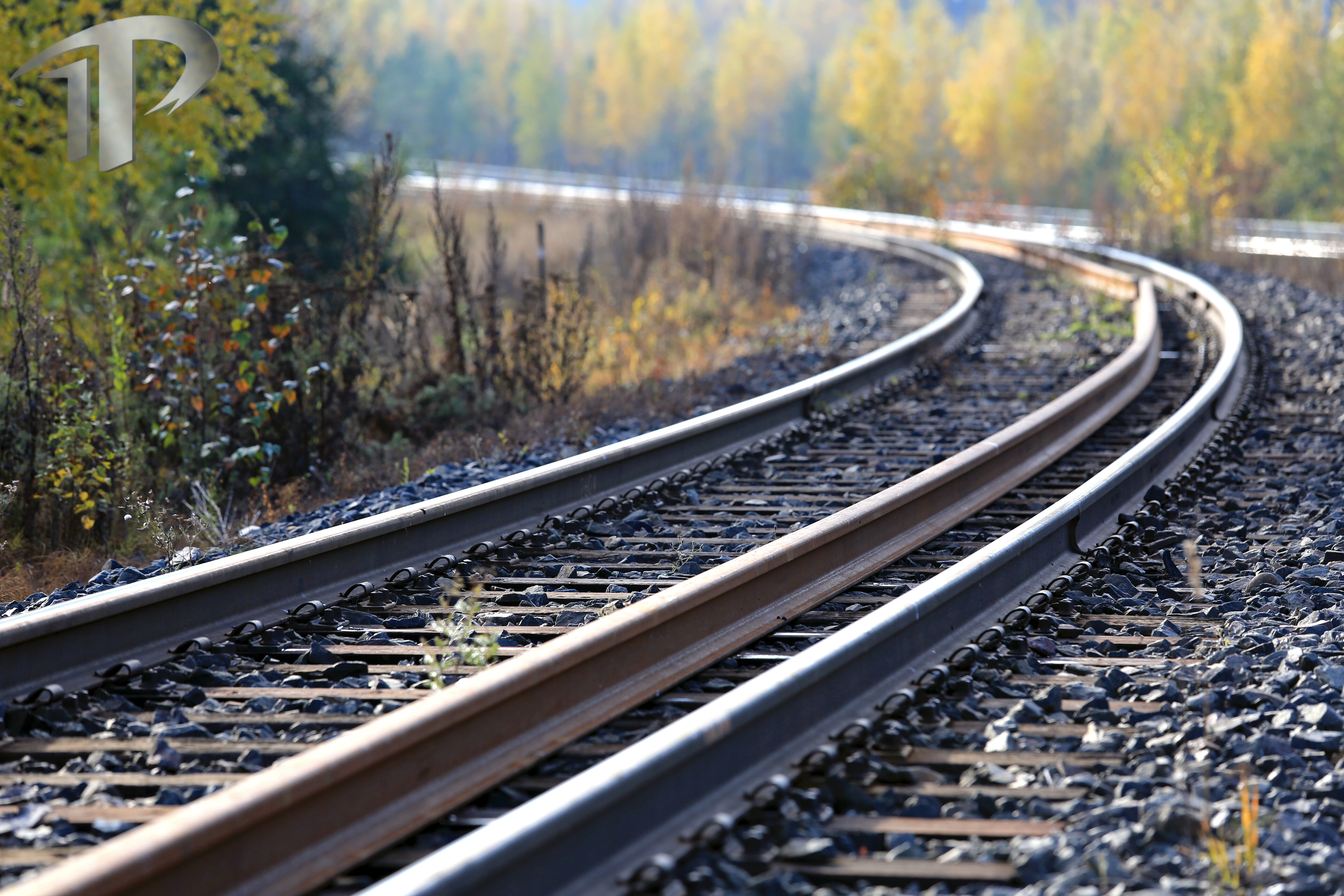
Railway lines are composed of various railway components, and to ensure safe operation, these components must be regularly inspected and maintained. There are many types of railway components, but the main components that make up railway tracks include rails, sleepers, connecting parts, ballast, anti-creep devices, rail braces, and turnouts. As an integral engineering structure, the track is laid on the roadbed, guiding train operation and directly bearing the enormous pressure of locomotives and rolling stock and their loads. Under the dynamic action of train operation, its various components need to have sufficient strength and stability to ensure that trains run safely, smoothly, and uninterruptedly at the prescribed speed.
1. Rails: Railway equipment is essential and a primary indicator of railway equipment.
2. Rail Braces: Components installed on the outside of the rails to effectively resist lateral forces between the wheel and rail. Rail braces are generally installed on the outside of the outer rail of small-radius curves to prevent excessive lateral displacement of the track, or even rail overturning, caused by excessive lateral forces when a train passes through a curve.
3. Anti-creep devices: During train operation, longitudinal forces often act on the rails, causing them to move longitudinally, sometimes even pulling the sleepers along with them. This longitudinal movement is called creep. Creep generally occurs on the main line of double-track railways, in the loaded direction of single-track railways, on long downhill slopes, and within the braking range when entering stations.
4. Sleepers must support the rails, maintain their position, and transfer the enormous pressure from the rails to the track bed. They need to possess a certain degree of flexibility and elasticity; being too stiff or too soft is undesirable.
5. Connecting parts are divided into two categories: parts connecting the ends of two rails are called joint connecting parts; parts connecting the rails and sleepers are called intermediate connecting parts, i.e., fasteners. Joint connecting parts allow the wheels to roll smoothly over the rail joints and maintain coordinated operation between the front and rear rails.
6. Track bed usually refers to the ballast (stone ballast) layer laid on the roadbed surface under the sleepers. Its main function is to support the sleepers, distributing the enormous load from above the sleepers evenly across the roadbed surface, greatly reducing roadbed deformation.
7. A turnout is a track connection device that allows locomotives and rolling stock to switch from one track to another. They are typically installed extensively in stations and marshalling yards. Turnouts allow for the full utilization of the track's throughput capacity. Even on single-track railways, installing turnouts and constructing a branch track longer than the train's length allows for the operation of trains in opposite directions.
There are many types of railway components, each playing a different role on the railway line. To ensure safe operation, it is essential to conduct regular inspections and maintenance of railway components. When a railway component malfunctions, it should be addressed promptly. If it cannot be repaired, it should be replaced with a new one.
Leave A Message
If you are interested in our products and want to know more details, please leave a message here, we will reply you as soon as we can.